Introduction
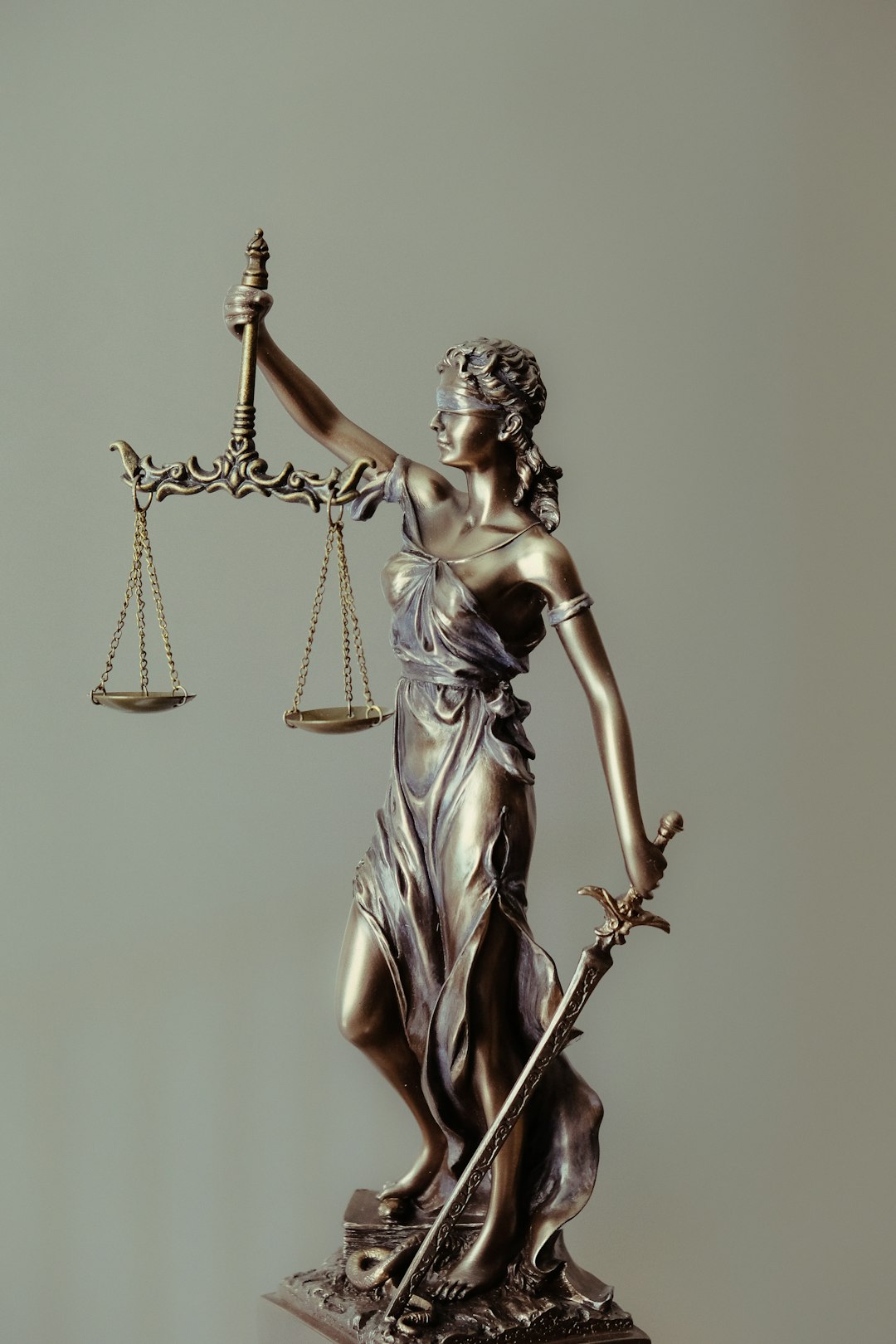
In the bustling metropolis of Los Angeles, a unique legal entity known colloquially as "do-not-call-lawyer-los-angeles" (DNCLA) has emerged as a significant player in the legal landscape. This article delves into the intricacies of DNCLA, exploring its historical context, significance, and the broader impact it wields within the legal system of Los Angeles. We will navigate through the economic nuances, technological advancements, policy frameworks, and more, providing a comprehensive understanding of this entity's role in society. By the end of this exploration, readers will have a well-rounded view of DNCLA and its multifaceted influence.
Understanding Do-Not-Call-Lawyer-Los-Angeles
"Do-not-call-lawyer-los-angeles" refers to a specific category of legal practitioners who specialize in providing services to clients under the 'Do Not Call' registry, which is a list that helps reduce unwanted telemarketing calls. These attorneys are well-versed in the regulations governing telemarketing and debt collection practices under both federal and state law, particularly the Telemarketing Sales Rule (TSR) and the Fair Debt Collection Practices Act (FDCPA). DNCLAs play a crucial role in protecting consumers' rights and ensuring compliance with these laws.
Global Impact and Trends
The influence of DNCLAs extends beyond Los Angeles, impacting global consumer protection practices. There is a growing international consensus on the need for stringent regulations to protect consumers from predatory telemarketing and debt collection tactics. Countries worldwide are adopting similar 'Do Not Call' registries, and DNCLAs in Los Angeles contribute to this trend by setting precedents and offering best practices. The rise of technology and digital communication has also necessitated a reevaluation of these laws, with DNCLAs at the forefront of navigating these changes.
Economic Considerations
The economic landscape is profoundly affected by the activities of DNCLAs. Their work influences market dynamics by deterring unethical business practices and fostering a more trustworthy environment for consumers. Investment patterns in telecommunication and consumer protection technology are shaped by the legal framework that DNCLAs help maintain. Additionally, DNCLAs contribute to the economic systems by ensuring fair competition among businesses and safeguarding the financial well-being of consumers, which in turn supports a healthy economy.
Technological Advancements
The field of telecommunication has seen significant advancements with the advent of automated dialing systems, caller ID spoofing, and robocalls. DNCLAs have had to adapt by leveraging technology to protect consumers. The use of data analytics, blockchain for call tracing, and artificial intelligence to detect and prevent illegal calls are some of the technological tools employed by DNCLAs. These advancements not only enhance the effectiveness of 'Do Not Call' registries but also set a precedent for global consumer protection efforts.
Policy and Regulation
The legal framework governing DNCLAs is complex, involving federal laws like the TSR and FDCPA, as well as state-specific regulations such as California's Robo-Call Law. These policies dictate how telemarketers must operate, what constitutes harassment, and the rights of consumers. DNCLAs are adept at navigating these regulations and often play a role in shaping policy through advocacy and litigation. Their work ensures that both businesses and consumers understand and comply with the law, contributing to a more orderly marketplace.
Challenges and Criticisms
Despite their importance, DNCLAs face several challenges, including the rapid evolution of telecommunication technology, which often outpaces legislation. Additionally, there is criticism regarding the effectiveness of 'Do Not Call' registries, with some arguing that they do not adequately protect consumers from unwanted calls. To address these issues, DNCLAs advocate for stronger enforcement mechanisms and support the development of new technologies to combat illegal calling practices.
Case Studies
Several landmark cases have highlighted the critical role of DNCLAs. One such case involved a major telecommunications company that violated the 'Do Not Call' registry, leading to a significant settlement and widespread industry change. Another case saw a DNCLA successfully argue for the expansion of consumer protections under existing laws, setting a precedent for future cases. These case studies underscore the importance of DNCLAs in upholding consumer rights and influencing broader legal and technological developments.
Future Prospects
The outlook for DNCLAs is promising, with potential growth areas emerging as technology evolves and new challenges arise. The increasing prevalence of digital communication platforms presents both opportunities and threats. On one hand, these platforms offer new avenues for abuse; on the other, they provide DNCLAs with innovative tools to combat illegal activities. As consumer protection laws adapt to these changes, DNCLAs will continue to play a pivotal role in safeguarding consumers' rights.
Conclusion
In conclusion, "do-not-call-lawyer-los-angeles" encompasses a specialized segment of legal practitioners who have a profound impact on consumer protection, market integrity, and the evolution of telecommunication law. Their work is critical in navigating the complex interplay between technology, policy, and economic considerations. As Los Angeles and the world continue to grapple with the challenges posed by modern telecommunication, DNCLAs stand as a bulwark against consumer exploitation, ensuring that the 'Do Not Call' registry remains an effective tool for protecting consumers' rights.
(Note: This content is for informational purposes only and does not constitute legal advice. If you are facing issues related to telemarketing calls or debt collection, it is advisable to consult with a licensed attorney who specializes in consumer protection law.)
August 5, 2025
Do Not Call Lawyer Los Angeles Expert
Los Angeles County's "Do Not Call" laws protect residents from unwanted telemarketing, with strict regulations for businesses. Ignoring these laws can result in fines up to $500 per violation. A specialized lawyer for Do Not Call Los Angeles is crucial for business guidance, ensuring.......
Read more →
August 3, 2025
Do Not Call Lawyer Los Angeles Expert
California's strict telemarketing laws, including the CCPA and TCFA, protect residents from intrusive calls. Los Angeles residents can register on the National Do Not Call Registry and seek legal guidance from specialized attorneys to enforce their rights and avoid fines. Businesses must comply.......
Read more →
August 1, 2025
Do Not Call Lawyer Los Angeles Expert
Harassing phone calls can severely affect mental health, especially in Los Angeles where strict Do Not Call laws protect residents. If experiencing such calls, including threats or repeated unwelcome attempts, consult a lawyer for Do Not Call Los Angeles to take legal action like blocking callers an.......
Read more →
July 30, 2025
Do Not Call Lawyer Los Angeles Expert
In Los Angeles, where communication technologies are constantly evolving, the Telephone Consumer Protection Act (TCPA) protects residents from unwanted phone calls, texts, and faxes. Common violations include robocalls, marketing texts, and unauthorized prerecorded messages. Businesses must obtain v.......
Read more →
July 28, 2025
Do Not Call Lawyer Los Angeles Expert
Unwanted phone calls from attorneys are a common problem in Los Angeles, infringing on residents' privacy. To combat this, LA citizens should register for official do-not-call lists, block unknown numbers, educate their families, and leverage California and federal privacy laws. By taking these.......
Read more →
July 26, 2025
Do Not Call Lawyer Los Angeles Expert
California's robust telemarketing laws protect residents' privacy with the Do Not Call Law, preventing unsolicited calls from businesses. Angelenos can enroll in the California Do Not Call list and seek help from a specialized "Do Not Call" attorney for abusive practices. In the.......
Read more →
July 24, 2025
Do Not Call Lawyer Los Angeles Expert
Los Angeles residents are protected from telemarketing harassment by state and federal laws, including prior consent requirements and opt-out options. Unwanted calls or texts can be addressed through the National Do Not Call Registry or by consulting a Do Not Call attorney Los Angeles. Persistent or.......
Read more →
July 22, 2025
Do Not Call Lawyer Los Angeles Expert
Los Angeles County's "do not call" laws protect residents from unwanted telemarketing, giving them control over communication preferences and privacy. Businesses must obtain explicit consent and provide clear opt-out mechanisms to comply with these regulations, avoiding legal issues a.......
Read more →
July 20, 2025
Do Not Call Lawyer Los Angeles Expert
Los Angeles consumers are protected by state and federal laws, notably the TCPA, against unwanted telemarketing calls. They can educate themselves about their rights using free online resources, report harassing callers to the FTC, and register on do-not-call lists. Apps like Blocked Calls Pro and N.......
Read more →
July 18, 2025
Do Not Call Lawyer Los Angeles Expert
Los Angeles residents face illegal telemarketing practices, including nuisance calls and deceptive sales tactics, from companies impersonating government agencies. To combat these schemes, document and report unwanted calls, contact local law enforcement (including the Los Angeles City Attorney&#039.......
Read more →